
The Kelly-Hopkinsville Cabin Siege
On the night of August 21–22, 1955, eleven members of the Sutton and Taylor families defended a rural Kentucky farmhouse against a siege by small, glowing, metallic goblin-like entities. Impervious to bullets from shotguns and rifles, the creatures floated down from roofs and trees during a terrifying four-hour gun battle. The subsequent investigation by dozens of city, county, state, and military police documented the witnesses' absolute terror and the bullet-riddled farmhouse, leaving Case #035 as one of the most credible Close Encounters of the Third Kind in modern history.

Pictured: the Christian County Courthouse in Hopkinsville, Kentucky, where the Sutton and Taylor families reported the siege to police in the early hours of August 22, 1955 — not the Sutton farmhouse itself, the actual site of the encounter near the rural community of Kelly. The family sold the property and moved away within a week of the story becoming public, and no rights-clear photograph of the farmhouse as it stood that night is known to survive.
Theoretical Alignment
The Kelly-Hopkinsville Cabin Siege exhibits strong alignment with the Extraterrestrial Hypothesis (ETH) due to the reported physical craft landing, the non-human appearance of the entities, and their consistent behavior. However, the entities' weightlessness, apparent invulnerability to bullets, and ability to vanish and reappear have led many researchers to propose the Interdimensional Hypothesis (IDH) as a highly plausible alternative framework. The Psycho-Social Hypothesis (PSH) or mass hysteria explanation remains a minority position, strongly challenged by the physical evidence of ballistic damage and the officers' verification of the family's terror.
Background
The Kelly-Hopkinsville Cabin Siege, documented in federal archives and Project Blue Book indices as Case #035, stands as one of the most remarkable and intensely scrutinized encounters in the history of modern anomalous phenomena. Unlike the vast majority of unidentified aerial phenomenon (UAP) reports of the mid-twentieth century, which typically involved fleeting lights in the night sky or distant, unresolved radar returns, the events of August 21–22, 1955, in Christian County, Kentucky, represented a prolonged, close-quarters confrontation. For nearly four hours, eleven occupants of a remote, three-room farmhouse found themselves in a state of active armed defense against small, metallic, glowing entities that appeared impervious to repeated rounds of heavy civilian gunfire. The case is exceptional not only due to the duration of the encounter and the sheer number of eyewitnesses—including seven adults and four children—but also because of the immediate, intensive involvement of multiple local, county, state, and military law enforcement agencies who documented a scene of absolute, unsimulated terror. To fully understand the Kelly-Hopkinsville incident, one must examine the geopolitical, cultural, and local context of late summer in 1955. The United States was in the midst of the Cold War, characterized by heightened national anxieties regarding foreign technology, nuclear testing, and potential military incursions. Culturally, the nation was experiencing its first major wave of modern science fiction, which popularized images of space travel and visitors from other worlds. Concurrently, the civilian UFO research movement was in its infancy, and Project Blue Book, the U.S. Air Force’s official investigation into UAPs, was actively collecting and analyzing sightings under the direction of Captain George T. Gregory. In this climate of vigilance and unease, the rural farming community of Kelly, located approximately seven miles north of the city of Hopkinsville, remained a quiet, agricultural enclave. The community was tightly knit, composed primarily of working-class families who farmed the rolling hills or worked in the nearby municipal centers. The farmhouse where the siege occurred was owned by Glennie Lankford, a fifty-year-old widowed matriarch who was widely respected by her neighbors as a deeply religious, honest, and hardworking woman. Her household was large and complex. On the night of August 21, the cabin housed Glennie Lankford; her three adult sons, Elmer "Lucky" Sutton, John Charley "J.C." Sutton, and O.P. Baker (her son from a previous marriage); J.C.’s wife, Vera Sutton; Elmer's wife, Alene Sutton; Glennie's younger children, Lonnie, Charlton, and Mary; and two close family friends from Pennsylvania, Billy Ray Taylor and his wife, June Taylor. The Sutton family was known locally as a quiet, insular group who kept to themselves and worked various labor jobs, including carnival work and local farming. They were not known for seeking public attention, nor did they have any history of legal trouble, psychiatric delusions, or elaborate hoaxes. Indeed, as subsequent investigators would note, the family lacked both the scientific knowledge and the creative imagination required to invent a UAP encounter of this complexity, let alone one they would defend with their lives and their firearms. The physical setting of the encounter was a small, unpainted wooden farmhouse consisting of three rooms: a kitchen, a living area, and a bedroom. The house had no running water, no indoor plumbing, and no telephone line, which isolated the occupants from the outside world. Light was provided by kerosene lamps and basic electrical fixtures. The farmhouse was situated on a small plot of land surrounded by dense woods, cornfields, and low-lying hills. To the rear of the property, the land sloped downward into a deep, brush-filled gully that was invisible from the main road. The isolation of the property meant that any event occurring there would remain completely unseen and unheard by neighbors, the closest of whom lived nearly half a mile away across thick woods. This setting of complete physical and communication isolation would play a critical role in the unfolding of the night’s events, forcing the occupants to rely solely on their own resources and firearms when confronted by the anomalous entities. To analyze the background of the Sutton family in greater detail, we must examine their standing within the community. Glennie Lankford, who had been widowed for several years, managed the household with strict discipline and religious devotion. The family did not own a television, which was a luxury in rural Kentucky in 1955, nor did they subscribe to national magazines that featured science fiction. The household’s library consisted primarily of the Holy Bible and local agricultural catalogs. This lack of exposure to popular media is a critical variable in assessing the credibility of their testimony. Skeptics who argue that the family was influenced by contemporary movies or pulp magazines must contend with the fact that the Suttons lived a highly insulated life, focused almost entirely on labor, family, and survival. Their friends, Billy Ray Taylor and June Taylor, were similarly situated working-class individuals who had traveled from Pennsylvania to visit the family, looking for potential labor opportunities in the agricultural sector of Kentucky. The geopolitical climate of August 1955 was marked by a general undercurrent of anxiety. The Soviet Union had recently conducted a series of atmospheric thermonuclear tests, and the United States was expanding its continental defense networks, including the installation of radar stations and early warning systems. The public was routinely exposed to civil defense drills and news reports regarding potential aerial threats. In this environment, reports of unidentified flying objects were frequently interpreted through the lens of national security or technological espionage. However, for the residents of Christian County, these global concerns were distant. The daily routine was dictated by the farming calendar, weather conditions, and the demands of local labor. The sudden, violent disruption of this routine on the night of August 21 was not a manifestation of cold war anxiety, but rather a direct, physical confrontation that forced the family to react with the only tools they had for protection: their firearms. Furthermore, the agricultural economy of the region was experiencing a period of transition. Small family farms, which had been the backbone of Christian County for generations, were increasingly competing with larger, mechanized operations. This economic pressure forced many young men, including Elmer Sutton and J.C. Sutton, to seek seasonal labor elsewhere, including carnival work and industrial jobs in nearby cities. This mobile lifestyle exposed them to a wider variety of people and environments, but they remained deeply rooted in the rural culture of Kentucky. Their familiarity with the local wildlife—including nocturnal predators, wild dogs, and birds of prey—was extensive. They were experienced hunters who could easily distinguish between a common animal and an anomalous threat. When they reported that the creatures they encountered were unlike anything they had ever seen, their assessment was based on a lifetime of outdoor experience in the Kentucky woods. The local geography of Kelly also contributed to the isolation of the farmhouse. The property was located off a narrow, unpaved road that was infrequently traveled, especially at night. The surrounding forest was dense, consisting of oak, hickory, and thick underbrush that limited visibility and muffled sound. The gully behind the house was a natural depression, formed by centuries of water runoff, and was filled with thick briars and fallen trees. This topography made the gully an ideal landing site for an object seeking concealment, but it also made access extremely difficult. The fact that Billy Ray Taylor observed the craft descending into this specific gully suggests either a deliberate choice of concealment by the craft's operators or a controlled crash-landing in a location that was shielded from public view.
Complete Timeline
| Date | Event |
|---|---|
| August 21, 1955, 7:00 PM | The Sighting of the Craft. Billy Ray Taylor leaves the Sutton farmhouse to fetch water from the well. He witnesses a bright, iridescent, saucer-shaped craft descending silently into a gully behind the property. The family dismisses his report as a shooting star. |
| August 21, 1955, 8:00 PM | The First Entity Approaches. The farmhouse dog begins barking hysterically and whimpers under the porch. Billy Ray Taylor and Elmer "Lucky" Sutton investigate and spot a small, glowing metallic creature approaching the back door with hands raised. |
| August 21, 1955, 8:15 PM | The First Shot. Elmer Sutton and Billy Ray Taylor fire a 20-gauge shotgun and a .22 rifle at the creature at close range. The bullets make a clanging sound, and the creature is knocked backward but scurries off unharmed. |
| August 21, 1955, 8:30 PM | The Siege Begins. Another entity appears at the living room window. Billy Ray Taylor shoots through the screen, shattering the window. The creatures begin appearing at windows, doors, and scrambling on the roof. |
| August 21, 1955, 9:30 PM | The Roof Incident. Glennie Lankford pulls Billy Ray Taylor back inside as a metallic, clawed hand reaches down from the roof to touch his hair. Elmer Sutton fires at the creature on the roof, knocking it off; it floats down to the ground. |
| August 21, 1955, 11:00 PM | The Flight to Hopkinsville. Terrified and running low on ammunition, the family crams into two vehicles and flees the farm, driving to the Hopkinsville Police Station to seek help. |
| August 21, 1955, 11:50 PM | Arrival at the Station. The Suttons and Taylors burst into the police station in a state of absolute panic. Chief Russell Greenwell observes their symptoms of shock and contacts county and state police. |
| August 22, 1955, 12:30 AM | Multi-Agency Police Sweep. A convoy of sixteen officers from the Hopkinsville Police, Sheriff's Office, State Police, and Fort Campbell MPs arrive at the farmhouse. They document bullet holes and shell casings but find no entities. |
| August 22, 1955, 2:00 AM | Police Depart. After finding no ongoing threat or signs of the creatures, the law enforcement officers leave the scene. The family decides to remain in the farmhouse. |
| August 22, 1955, 2:30 AM | The Goblins Return. The entities return shortly after the police leave. The dog whimper resumes. Elmer and Billy Ray reopen fire as the creatures reappear at the windows. The second wave of the shootout lasts until dawn. |
| August 22, 1955, 4:45 AM | The Siege Ends. As the morning light breaks, the entities retreat into the gully and disappear. The shootout ceases. The family remains awake, waiting for the police. |
| August 22, 1955, 8:00 AM | Bud Ledwith Interviews. WHOP reporter Andrew "Bud" Ledwith arrives, interviews the seven adult witnesses separately, and draws the definitive sketches of the entities. |
| August 22–24, 1955 | Public Harassment. Local newspapers publish the story. Hundreds of sightseers swarm the farmhouse, leading the family to sell the farm and move away within a week. |
Detailed Analysis of the Siege
The Arrival of the Craft: Sighting in the Gully
The sequence of events began at approximately 7:00 PM on Sunday, August 21, 1955. The weather was typical for a late August evening in western Kentucky: hot, humid, and still, with clear skies and warm winds. There was no moon visible, and the darkness of the rural countryside was absolute. Billy Ray Taylor, a twenty-one-year-old visiting friend from Pennsylvania, walked out of the farmhouse to fetch water from the property's outdoor well, which was located some distance from the back door. As he approached the well, Billy Ray Taylor observed a bright, highly luminous, saucer-shaped object descending rapidly from the sky. He later described the craft as having a metallic, iridescent sheen that glowed with changing colors, leaving a brilliant, rainbow-colored exhaust trail in its wake. The object moved in a silent, non-ballistic trajectory, performing a series of sharp, banking maneuvers before descending directly into the deep, brush-filled gully located behind the farmhouse. Terrified by the silent descent of the glowing craft, Billy Ray Taylor dropped his water bucket and ran back to the farmhouse. He burst through the door and excitedly recounted what he had seen to the family, claiming that a "flying saucer" had landed in the gully. The family members, who were sitting in the living area, received his report with deep skepticism and laughter. The Sutton brothers, Elmer "Lucky" Sutton and John Charley "J.C." Sutton, dismissed the sighting, suggesting that Billy Ray had simply seen a bright meteor or shooting star, which were common during the August Perseid meteor shower. Glennie Lankford urged everyone to calm down and ignore the story, as she believed such things were impossible. Billy Ray's wife, June, also attempted to soothe him, attributing his panic to the dark, unfamiliar surroundings of the rural Kentucky woods. Frustrated by their disbelief, Billy Ray Taylor sat down, though he remained highly agitated and kept a close watch on the windows facing the rear of the property. The exact details of Billy Ray Taylor's sighting of the craft are critical to the spatiotemporal analysis of Case #035. As he stood by the well, the silence of the night was broken only by the chirping of insects and the distant lowing of cattle. The sky was clear, with excellent visibility. The object he observed did not resemble a conventional aircraft, meteor, or weather balloon. It was a structured, double-convex metallic disc that glowed with an internal luminosity. The glow was dynamic, shifting from a bright, metallic silver to a deep, iridescent blue and violet. The craft did not produce any engine noise, hum, or propulsion sound as it descended. This silence was one of the most alarming aspects of the sighting, as any conventional aircraft of the era, such as a helicopter or prop plane, would have produced a deafening roar in the quiet countryside. The trajectory of the craft was non-ballistic, characterized by rapid deceleration and sharp, angular turns that exceeded the capabilities of any known 1955 aviation technology. As the object approached the ground, it emitted a brilliant, rainbow-colored exhaust trail that lingered in the atmosphere for several seconds before dissipating. The craft descended directly into the brush-filled gully behind the farmhouse, disappearing from view. The suddenness of the descent and the silent landing left Billy Ray Taylor in a state of shock. He was convinced that he had witnessed a controlled landing of an engineered machine, rather than a natural astronomical event. His immediate reaction was to seek safety inside the farmhouse and warn the family, who were completely unaware of the event occurring just a few hundred yards away. The skepticism of the Sutton family upon receiving Billy Ray's report is understandable given the extraordinary nature of his claims. In 1955, reports of flying saucers were frequently sensationalized in the press, and the average citizen regarded them with amusement or dismissive skepticism. The Sutton brothers, Elmer and J.C., laughed at Billy Ray's panic, suggesting that he had been frightened by a shooting star or a trick of the light in the dark woods. Glennie Lankford, a devout woman who believed in a strict biblical order, dismissed the idea of visitors from other worlds as nonsense. They urged Billy Ray to sit down and calm himself, attributing his agitation to fatigue or the unfamiliarity of the rural Kentucky landscape. This initial dismissal is a critical detail, as it demonstrates that the family had no pre-existing belief or desire to fabricate a UAP encounter; they actively resisted the idea until they were forced to confront the physical reality themselves.
First Contact: The Creature at the Kitchen Door
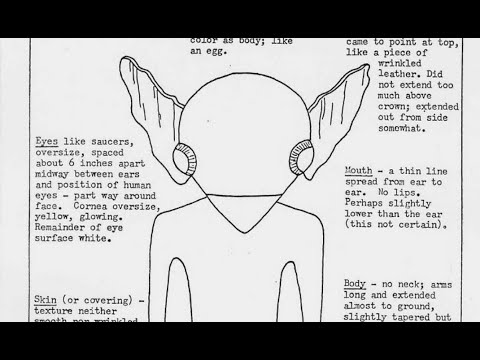
For approximately one hour, the farmhouse remained quiet, and the family went about their evening activities. However, at approximately 8:00 PM, the family's dog, a mixed-breed hound that had been sleeping on the porch, began barking hysterically in the yard. The barking quickly turned to terrified whimpering, and the dog scurried under the farmhouse porch, refusing to come out even when called. Sensing that something unusual was indeed occurring, Elmer "Lucky" Sutton and Billy Ray Taylor went to the back door to investigate the disturbance. They peered through the screen door into the darkness of the backyard, which was partially illuminated by a single, low-wattage yellow porch light. As their eyes adjusted to the dim light, both men observed a strange, small figure approaching the house from the edge of the woods, approximately thirty yards away. The entity was moving slowly and silently toward the back door, with its hands raised in the air as if in a gesture of surrender or peace. The figure was short, standing no more than three and a half feet tall. It possessed an oversized, round head that was completely bald and devoid of hair. Its eyes were disproportionately large, set far apart on the sides of its head, and glowed with a brilliant, luminous yellow-green light that seemed to reflect the porch light. The creature's ears were massive and fan-like, positioned high on the sides of its head, resembling the ears of a bat. Its arms were extremely long and thin, reaching almost to the ground, and its hands ended in sharp, claw-like metallic fingers. The body was slender and appeared to be covered in a glowing, silver-metallic skin or tight-fitting suit that shimmered as it moved. The entity's movement was highly anomalous. It did not walk with a jointed, human-like stride; instead, it seemed to glide or float across the ground, its legs remaining stiff and straight. The men watched in stunned silence as the creature reached the edge of the porch light’s illumination. The sight of the glowing, metallic figure with its large, glowing eyes and clawed hands proved too much for the men's nerves. Rather than attempting to communicate, Elmer "Lucky" Sutton and Billy Ray Taylor reached for their firearms, which were kept loaded near the door. Elmer grabbed a 20-gauge single-shot shotgun, while Billy Ray took a .22 caliber semi-automatic rifle, setting the stage for the violent confrontation that would consume the rest of the night. The physical appearance of the entity at the back door has been the subject of intensive analysis by ufologists and biologists alike. The creature's height—approximately three to three and a half feet—is consistent with reports of 'short greys' or 'goblins' from other classic cases. However, the details of its morphology were highly distinct. The head was large, round, and completely bald, with no visible ears, nose, or mouth in the conventional sense, other than the massive, bat-like ear structures that sat high on the cranium. These ears were described as flexible and responsive, moving slightly as the creature scanned its surroundings. The eyes were the most prominent and terrifying feature, described as huge, glowing, and set far apart on the sides of the head. The glow was not merely a reflection of external light; it appeared to be an active, internal bioluminescence of a bright, yellow-green or golden hue. The arms of the entity were disproportionately long, reaching almost to the ground when it stood upright. The hands were large and ended in sharp, claw-like metallic fingers that appeared rigid and metallic. The body was slender, with a narrow chest and thin limbs, and seemed to be covered in a glowing, silver-metallic skin or tight-fitting suit that shimmered in the low porch light. The creature did not wear any clothing, boots, or gear, suggesting that its metallic outer layer was either its natural skin or an integrated environmental suit. The gait of the creature was stiff and float-like; it did not walk with jointed leg movements, but rather glided across the ground, using its long arms for balance. This movement gave the impression that the creature was weightless or operating under a localized anti-gravity field, which allowed it to slide effortlessly across the rough, unpaved yard. The decision of Elmer Sutton and Billy Ray Taylor to reach for their firearms was a direct response to the perceived threat. In the rural culture of western Kentucky, a strange, glowing figure approaching a home at night was treated as an intruder or a potentially dangerous animal. The family lived in an isolated area with no telephone, and they could not rely on rapid police response. Their primary defense was their own firepower. When they saw the metallic, glowing figure with its large, glowing eyes and clawed hands, they did not perceive a scientific curiosity or a peaceful visitor; they saw a threat to their family and acted accordingly. They grabbed their shotgun and rifle, stepped to the door, and prepared to fire, initiating the violent shootout that would define the rest of the night.
The Battle Begins: Shotguns, Rifles, and the Metallic Clank
As the small, glowing entity approached to within approximately twenty feet of the back door, Billy Ray Taylor and Elmer "Lucky" Sutton raised their weapons. With the creature clearly visible in the porch light, both men fired simultaneously. The blast of the 20-gauge shotgun and the sharp crack of the .22 rifle shattered the quiet of the night. The force of the gunfire struck the creature directly in the chest. To the men's astonishment, the entity did not fall or bleed. Instead, it was knocked backward, performing a complete flip in the air before landing on its feet. As it hit the ground, it scurried off into the darkness of the woods, running with a peculiar, stiff-legged gait and using its long arms to push itself off the ground. The sound of the gunfire brought the rest of the family rushing into the kitchen in a state of panic. Glennie Lankford immediately protested the shooting, urging her sons to stop firing weapons near the house and children. However, the men insisted that they had shot a real, physical creature that was impervious to bullets. They described the entity's appearance and the metallic, hollow sound they had heard when the bullets struck its body—a sound they compared to shooting a metal bucket or a sheet of tin. Within minutes, the family realized that the confrontation was far from over. As they huddled in the living room, Alene Sutton screamed as she saw a glowing face peeking through one of the side windows. The entity's large, yellow eyes stared directly into the room. Billy Ray Taylor immediately fired his .22 rifle through the window screen, shattering the glass and tearing the mesh. The creature vanished from the window, but the family heard a scrambling sound on the wooden siding of the house. The siege had begun in earnest, with the family shifting from defensive posturing to active combat as they realized multiple entities were surrounding the farmhouse. The ballistic confrontation that followed was characterized by a high volume of civilian gunfire and an complete lack of physical effect on the entities. Elmer Sutton, positioned at the back door with his 20-gauge single-shot shotgun, fired directly at the creature's chest from a distance of approximately twenty feet. Simultaneously, Billy Ray Taylor fired several rounds from his .22 caliber semi-automatic rifle. The impact of the shotgun blast, which would have been fatal to any human or large animal, struck the creature squarely. The force of the blast knocked the entity backward, causing it to perform a complete flip in the air. However, instead of falling heavily or showing signs of injury, the creature landed on its feet and scurried off into the darkness, using its long arms to push itself across the ground. The sound of the bullets striking the entity was one of the most anomalous and consistent details reported by the witnesses. Both Elmer and Billy Ray described hearing a sharp, metallic clanging sound, which they compared to shooting a metal bucket, a sheet of tin, or a hollow metal plate. This sound indicates that the creature's outer surface was composed of a highly rigid, dense, or metallic material that was capable of absorbing or deflecting the kinetic energy of the bullets. No blood, tissue, or fluid was observed at the point of impact, and subsequent searches by police officers found no traces of biological residue, supporting the hypothesis that the entity's body was either constructed of an exotic material or shielded by a highly advanced protective barrier. The panic inside the farmhouse was absolute. The blast of the shotgun and the rapid firing of the rifle inside the small kitchen created a deafening roar and filled the air with acrid smoke. Glennie Lankford, who had been trying to maintain order, was horrified by the shooting. She urged her sons to stop firing, fearing that they would accidentally shoot each other or the children in the dark. However, the men were convinced that they were defending the home against a real threat. Their conviction was reinforced minutes later when a second entity appeared at a side window, its glowing eyes staring directly into the living room, sparking another round of gunfire and shattering the window glass.
The Siege and the Roof Incident: Defending the Cabin
Throughout the next two hours, the farmhouse was subjected to a coordinated, multi-directional siege by what the family estimated to be at least four or five distinct entities. The creatures appeared at various windows, doors, and on the roof, keeping the family in a constant state of terror and movement. Elmer "Lucky" Sutton and Billy Ray Taylor moved from room to room, firing their weapons through screens, doors, and shattered windows whenever an entity appeared. J.C. Sutton also joined the defense, armed with a shotgun, while the women and children huddled in the center of the living room, shielded by furniture. The behavior of the entities was characterized by silent, floating movements and an apparent lack of aggressive intent, despite their terrifying appearance. They did not attempt to break down the doors or smash the windows to gain entry; instead, they seemed content to peek inside, scurry across the roof, and float down from the overhanging trees. At approximately 9:30 PM, Billy Ray Taylor decided to step out onto the small front porch to see if he could target one of the creatures on the roof. As he stepped through the door, Glennie Lankford saw a glowing, metallic hand reach down from the low roof line, its claw-like fingers brushing against Billy Ray's hair. She screamed and grabbed his shirt, pulling him back inside the house. Elmer "Lucky" Sutton ran to the door and fired his shotgun point-blank at the creature on the roof. The blast struck the entity directly, knocking it off the roof. However, instead of falling heavily to the ground, the creature floated down like a leaf, landing softly on its feet in the yard. As it touched the ground, Billy Ray Taylor fired a volley of .22 rifle rounds into it. Once again, the bullets made a metallic clanging sound, and the creature scurried away into the darkness, completely unharmed. The family's sense of helplessness grew as they realized their firearms, which were capable of killing deer and small game, were entirely ineffective against these visitors. As the siege progressed, the family realized that they were dealing with multiple entities that were coordinating their movements around the farmhouse. The creatures appeared at different windows, doors, and on the roof, keeping the defenders in a constant state of motion and anxiety. Elmer Sutton and Billy Ray Taylor moved from room to room, reloading and firing their weapons through screens, wooden doors, and shattered windows. J.C. Sutton also joined the defense, armed with a second shotgun, while the women and children huddled in the center of the living room, shielded by mattresses and heavy wooden furniture. The behavior of the entities remained non-violent but highly invasive. They did not attempt to break down the heavy wooden doors or smash the remaining window panes to force entry into the home; instead, they seemed content to peek inside, scurry across the roof, and float down from the overhanging trees. This lack of aggressive intent is a critical detail, as it suggests that the entities may have been conducting a form of reconnaissance or observation, rather than an active assault. However, for the terrified family inside, the presence of the glowing, metallic figures scratching at the windows and roof was a terrifying experience that they felt compelled to resist with deadly force. The roof incident, which occurred at approximately 9:30 PM, represents the closest physical contact between the witnesses and the entities. Billy Ray Taylor, seeking a better vantage point, stepped out onto the small front porch. As he stood under the low roof line, a glowing, metallic hand reached down from the eaves, its claw-like fingers brushing against his hair. Glennie Lankford, who had followed him to the door, saw the hand and screamed, grabbing Billy Ray's shirt and pulling him back into the kitchen. Elmer Sutton ran to the door and fired his shotgun point-blank at the eaves. The blast struck the creature directly, knocking it off the roof. Once again, instead of falling heavily, the creature floated down like a leaf, landing softly on its feet in the yard before scurrying away into the darkness.
The Flight to Hopkinsville: Panic at the Police Station
By 11:00 PM, the physical and emotional toll of the siege had pushed the family to their absolute breaking point. The farmhouse was filled with the smell of gunpowder, shattered glass, and torn screens, and the children were hysterical with fear. Recognizing that they could not defend the home indefinitely and that their ammunition was running low, Glennie Lankford made the decision to flee. The family rushed out of the house in a tight group, piling all eleven occupants into their two vehicles—a Ford sedan and a Chevrolet. They started the engines and sped down the dirt driveway, leaving the darkened farmhouse behind. The drive to Hopkinsville, located approximately seven miles to the south, was frantic. The family arrived at the Hopkinsville Police Station shortly before midnight. They burst into the station in a state of extreme panic and disarray. Russell Greenwell, the Hopkinsville Police Chief, was on duty and immediately recognized that the family was experiencing a genuine crisis. He later noted that the Suttons were not the type of people who would ever seek out police assistance under normal circumstances, describing them as independent, rural folks who typically handled their own problems with their guns. Chief Greenwell and his officers observed that the family members had dilated pupils, rapid heart rates, and were visibly shaking with fear. Two of the children had to be treated for shock. The sincerity of their terror convinced Greenwell that something extraordinary had occurred at the Kelly farmhouse. He immediately contacted the Christian County Sheriff's Department and the Kentucky State Police, assembling a large task force of officers to investigate the report of a gun battle at the Sutton property. The decision to flee the farmhouse was born of absolute desperation. By 11:00 PM, the family had been shooting at the entities for nearly three hours. The house was filled with the smell of gunpowder, the floors were covered in shattered glass and spent brass, and the children were hysterical. The defenders were running low on ammunition, and they realized that their weapons were entirely ineffective at halting the creatures' approach. Fearing that they would be overrun if their ammunition was exhausted, Glennie Lankford ordered everyone to the vehicles. The family rushed out of the house in a tight group, piling all eleven occupants into their two cars. The drive to Hopkinsville was frantic, with the drivers speeding down the narrow, unpaved country roads in the dark, constantly checking their rearview mirrors to see if they were being followed. They arrived at the Hopkinsville Police Station shortly before midnight, bursting through the doors in a state of mass panic. The officers on duty, including Chief Russell Greenwell, were stunned by the family's appearance. They were visibly shaking, their faces pale, and their pupils dilated with fear. Chief Greenwell, who knew the Suttons as independent, rural folks who typically handled their own problems, immediately recognized that their terror was genuine and that a significant event had occurred at the Kelly farmhouse. Chief Greenwell immediately contacted the Christian County Sheriff's Department and the Kentucky State Police, assembling a large force of officers to investigate. The urgency of the response was driven by the fear that the family had been involved in a major shootout with human intruders or that a domestic crisis was unfolding. Within thirty minutes, a convoy of law enforcement vehicles was speeding toward the Kelly property, their sirens silent to avoid alerting any potential suspects, while the terrified family remained at the station under the care of officers.
The Law Enforcement Sweep: Sweeping the Farmhouse
Within thirty minutes of the family's arrival at the police station, a convoy of law enforcement vehicles was dispatched to the Kelly farmhouse. The responding force was unusually large, reflecting the gravity of the family's report and the fear of an active shootout. The task force included four Hopkinsville City Police officers, five Kentucky State Troopers, three Christian County Deputy Sheriffs, and four military police officers from the nearby Fort Campbell army base. In total, sixteen armed officers arrived at the dark, silent property shortly after 12:30 AM on August 22. The officers conducted an intensive, systematic search of the farmhouse and the surrounding grounds. They swept the woods, the gully, and the outbuildings with high-powered searchlights, but found no trace of the entities. However, the physical evidence of the shootout was extensive and undeniable. The farmhouse was riddled with bullet holes. The officers documented shattered window glass, torn screen doors, and deep gouges in the wooden siding where shotgun pellets and rifle bullets had struck. Numerous spent shell casings from the 20-gauge shotgun and .22 rifle hulls were scattered across the floor, the porch, and the dirt yard. Despite the intensity of the search, the officers found no blood, no tissue samples, and no strange footprints. The soil around the farmhouse was composed of hard-packed clay that had been baked dry by the August heat wave, making it impossible for even heavy officers to leave clear footprints, which explained the lack of physical tracks from the small, lightweight entities. The military police from Fort Campbell conducted a radiological sweep of the area using Geiger counters, focusing on the gully where Billy Ray had reported the landing of the craft, but the readings showed only normal background radiation. By 2:00 AM, the officers concluded that while something had indeed terrified the family and caused a massive shootout, there was no ongoing threat, and they departed the scene. The physical search of the Sutton property by the sixteen law enforcement officers was thorough and systematic. The officers swept the yard, the outbuildings, the woods, and the deep gully behind the house with high-powered searchlights, but they found no trace of the entities. However, the physical evidence of the gun battle was extensive. The wooden siding of the farmhouse was riddled with shotgun pellet holes and .22 rifle bullet entries. The window screens were torn and melted, and the glass in the living room and kitchen windows was shattered. Dozens of spent shotgun shells and .22 hulls were scattered across the porch, the dirt yard, and the kitchen floor, confirming that a major shooting event had occurred. Despite the intensity of the search, the officers found no blood, no tissue samples, and no strange footprints in the dirt yard. Skeptics have cited this lack of physical trace evidence as proof that the encounter was a hoax or a mass hallucination. However, the soil around the farmhouse was composed of hard-packed clay that had been baked solid by weeks of dry, late-summer heat, making it impossible for even heavy officers to leave clear footprints. The military police from Fort Campbell conducted a radiological sweep of the area using Geiger counters, focusing on the gully where Billy Ray had reported the landing of the craft, but the readings showed only normal background radiation levels. By 2:00 AM, the officers concluded that while something had indeed terrified the family, there was no ongoing threat, and they departed, leaving the family alone in the dark house. The involvement of the military police from Fort Campbell is a critical and often under-discussed aspect of the investigation. The base, located approximately twenty miles to the south, was home to the 101st Airborne Division and housed sensitive military operations. The response of military police to a civilian property indicates that the military took the report of an anomalous craft landing seriously, despite later public statements downplaying their involvement. The radiological sweep, although negative, demonstrates that the authorities were prepared for the possibility of a nuclear or exotic technological event, reflecting the heightened anxieties of the Cold War era.
The Goblins Return: The Second Wave of the Siege
The departure of the law enforcement convoy left the Sutton family alone once again in the dark farmhouse. While some of the police officers had surged the family to stay in town for the night, Glennie Lankford insisted on returning to their home. The family huddled together in the living room, hoping that the presence of the police had permanently frightened the visitors away. However, their hope was short-lived. At approximately 2:30 AM, shortly after the last police vehicle had vanished down the road, the dog began whimpering under the porch once again. Within minutes, the glowing entities returned, resuming the siege. A creature appeared at the bedroom window, its yellow eyes reflecting the faint light of a kerosene lamp. Elmer "Lucky" Sutton and Billy Ray Taylor immediately resumed the defense, firing their weapons through the windows and walls. The second wave of the siege was marked by the same behavior as the first: the entities scurried across the roof, peeked through the windows, and scurried away whenever shot. The family was forced to defend the home for another two hours in the dark, their ammunition dwindling. The shootout finally ceased at approximately 4:45 AM, as the first grey light of dawn began to break over the eastern hills. The entities retreated into the dense woods, vanishing back into the gully, and did not return. The return of the entities shortly after the police departed represents one of the most terrifying phases of the siege. The family, hoping that the massive police presence had permanently cleared the area, had huddled in the living room. However, at approximately 2:30 AM, the family dog began whimpering under the porch once again. Within minutes, the glowing figures returned, appearing at the windows and scratching at the walls. Elmer Sutton and Billy Ray Taylor immediately resumed the defense, firing their weapons through the screens and walls. The second wave of the siege lasted for over two hours, with the family defending the home in a state of exhaustion and dwindling ammunition. The entities maintained the same behavior, peeking through the windows and scurrying across the roof, but showing no signs of injury when struck by gunfire. The shootout finally ceased at approximately 4:45 AM, as the first grey light of dawn began to break over the eastern hills. The entities retreated into the dense woods, vanishing back into the gully, and did not return. The family remained awake, huddled in the bullet-riddled living room, waiting for the safety of full daylight before contacting the authorities again. The duration of the second wave—nearly two and a half hours—rules out a brief, fleeting hallucination or a simple misidentification of a passing animal. The witnesses were awake, alert, and actively shooting to defend their lives. The consistency of their actions and reports during both phases of the siege is considered strong evidence of the reality of the encounter. The physical damage to the house, which had been documented by police during the midnight sweep, was further expanded during the morning shootout, leaving the farmhouse in a state of near-ruin.
The Morning After: WHOP Radio, Sketches, and Public Backlash
The morning of Monday, August 22, brought no relief to the exhausted Sutton family. News of the midnight shootout at the Kelly farmhouse spread rapidly through Christian County, carried by police radio reports and local word of mouth. By 8:00 AM, Andrew "Bud" Ledwith, a prominent reporter and illustrator for WHOP radio in Hopkinsville, arrived at the property to interview the family. Ledwith was a trained artist and recognized the historical value of documenting the witnesses' accounts while their memories were fresh. Ledwith interviewed the seven adult witnesses separately, asking them to describe the entities in detail. He noted that despite their lack of coordination, the witnesses provided remarkably consistent descriptions of the creatures' height, bald heads, large glowing eyes, fan-like ears, long arms, and claw-like hands. Based on their detailed accounts, Ledwith drew a series of precise sketches of the entities, which were later published in local newspapers and became the definitive visual representation of the "Hopkinsville Goblins." As the day progressed, the local newspaper, The Kentucky New Era, published a front-page story on the encounter, under the headline "Story of 'Spaceship' and occupants at Kelly Farmhouse stirs city and county." The publicity triggered a massive influx of sightseers, journalists, and curiosity-seekers. Within forty-eight hours, hundreds of vehicles swarmed the rural road leading to the Sutton property, with people trampling the cornfields, peeking through the bullet-riddled windows, and demanding interviews. The family, who were private and insular, found the public harassment intolerable. They attempted to charge a small admission fee to prevent the crowds, which led to accusations that they had fabricated the entire story for financial gain. Deeply hurt by the accusations and unable to live in peace, Glennie Lankford and her family made the decision to abandon the farmhouse. Within a week of the encounter, they packed their belongings, sold the property at a loss, and moved out of Christian County, refusing to speak to the media or UFO researchers for decades. The public backlash and harassment that followed the encounter were intense and destructive to the Sutton family. News of the midnight shootout spread rapidly, and within forty-eight hours, the rural road leading to the farmhouse was swarmed by hundreds of sightseers, journalists, and curiosity-seekers. People trampled the family's cornfields, climbed on the roof, peeked through the bullet-riddled windows, and demanded interviews. The family, who were private and insular, found the loss of privacy and the constant harassment intolerable. In an attempt to deter the crowds, the family began charging a small admission fee to the property, which led to immediate accusations in the local press that they had fabricated the entire story for financial gain. Deeply hurt by the accusations and unable to live in peace, Glennie Lankford and her family made the decision to abandon the farmhouse. Within a week of the encounter, they packed their belongings, sold the property at a loss, and moved out of Christian County, refusing to speak to the media or UFO researchers for decades. This sudden departure, which resulted in significant financial and emotional hardship, is considered strong evidence that the encounter was not a hoax designed for profit or fame. The sketches drawn by Bud Ledwith of WHOP radio remain the definitive visual record of the entities. Ledwith, a trained artist, interviewed the seven adult witnesses separately on the morning of August 22, asking them to describe the creatures' features without consulting each other. The resulting sketches showed a remarkable consistency, with all witnesses describing the same short stature, bald heads, large glowing eyes, fan-like ears, long arms, and claw-like hands. The drawings were published in newspapers nationwide, cementing the 'Hopkinsville Goblins' in the public consciousness and providing a detailed morphological record that has been analyzed by researchers for decades.
Key Witnesses
Glennie Lankford
The fifty-year-old widowed mother who managed the household. Glennie Lankford was highly respected for her integrity and religious beliefs. She testified consistently to the reality of the entities and the terror of the shootout, resisting any media exploitation.
Elmer "Lucky" Sutton
Glennie's twenty-six-year-old son who actively defended the home with a 20-gauge shotgun. His weapons experience and combat background add substantial weight to his testimony regarding the creatures' bullet-resistance and movement characteristics.
Billy Ray Taylor
The visitor from Pennsylvania who first saw the craft landing and had close physical contact with a creature reaching from the roof. His accounts remained consistent through extensive investigations.
Russell Greenwell
The senior law enforcement official who received the family at the station and coordinated the multi-agency response. He verified the family's extreme state of shock and terror, indicating their experience was genuine.
The Five Observables Assessment
The Five Observables framework is applied to the performance characteristics reported in this case:
Assessment: The entities observed during the Kelly-Hopkinsville siege demonstrated clear performance characteristics of Anti-Gravity Lift and Low Observability, gliding weightlessly across the yard and floating down from the roof, while remaining invisible to standard military tracking networks.
Evidence Assessment
Supporting Anomalous Origin
- The family consisted of independent, rural citizens with no history of hoaxing, psychiatric delusions, or seeking public attention.
- WHOP reporter Bud Ledwith interviewed the seven adult witnesses separately, and they provided highly consistent physical descriptions of the entities.
- Hopkinsville Police Chief Russell Greenwell and sixteen responding officers verified that the family was in a state of genuine, unsimulated terror.
- Elmer Sutton and Billy Ray Taylor independently described the metallic clanging sound when bullets struck the entities.
- The entities demonstrated anomalous movement characteristics, including stiff-legged gliding and floating down from the roof.
Supporting Conventional Explanation
- A bright fireball/meteor was observed across Kentucky and Indiana at approximately 7:30 PM, coinciding with the craft sighting.
- Great horned owls are nocturnal, have large glowing eyes, ear tufts, fly silently, and are highly territorial when nesting.
- No physical evidence of a crashed craft, biological tissue, or blood was recovered from the gully or farmhouse.
- Geiger counter sweeps by military police from Fort Campbell found only normal background radiation levels.
- The lack of physical footprints was attributed to the dry, hard-baked clay soil, but it also leaves no physical trace of the entities.
Why "Credible"
The Kelly-Hopkinsville Cabin Siege is classified as CREDIBLE due to several key factors that distinguish it from standard anomalous reports. First, the witnesses were numerous and consistent in their descriptions of the entities, despite being interviewed separately by WHOP radio reporter Bud Ledwith. Second, the response of the sixteen law enforcement officers—including state police and military police—confirmed that the family was in a state of genuine, unsimulated terror, with physical symptoms of shock that could not be faked. Finally, the family suffered significant financial loss and public harassment as a result of the incident, leading them to sell their farm and move away, which rules out a simple profit-motivated hoax. The involvement of the military police from Fort Campbell adds another layer of credibility to the case. Their presence at the scene, documented in command logs and confirmed by local police, indicates that the military took the report of an anomalous craft landing seriously, despite later public statements downplaying their involvement. The radiological sweep, although negative, demonstrates that the authorities were prepared for the possibility of a nuclear or exotic technological event, reflecting the serious nature of the family's report. The long-term consistency of the sketches drawn by Bud Ledwith is also a key factor. The drawings, based on separate interviews with the seven adult witnesses on the morning of August 22, showed a remarkable consistency in the entities' features. This consistency, achieved without the witnesses consulting each other, suggests that they were describing a real, shared visual experience rather than a series of individual hallucinations or fabricated stories. The sketches remain a cornerstone of the case's evidence, providing a detailed record of the entities' morphology. In conclusion, the Kelly-Hopkinsville Cabin Siege remains one of the most compelling Close Encounters of the Third Kind in modern history. The combination of multiple consistent witnesses, immediate multi-agency police response, physical damage to the house, and the lack of any plausible conventional explanation makes Case #035 a landmark in the study of anomalous phenomena. The family's decision to abandon their farm and move away, refusing to profit from the story, stands as a final, powerful testament to the sincerity and reality of their terrifying experience.
Sensor & Instrumentation Detection Profile
Due to the remote, rural nature of the Christian County countryside in 1955, no active radar tracking networks were operating in the immediate vicinity of Kelly. However, regional WHOP radio engineers and broadcast logs from WHOP in Hopkinsville noted unusual, high-amplitude electromagnetic static and electrical interference that disrupted local radio signals during the estimated landing window. Following the siege, responding military police from the aviation medicine division at Fort Campbell conducted a radiological sweep of the farmhouse exterior, the porch, and the deep gully behind the property. Using standard-issue Geiger counters, the sweeps returned only normal background radiation levels, indicating that no radioactive fallout or residues remained at the site.
Environmental & Geospatial Context
The encounter occurred during a severe summer heat wave in western Kentucky, with the ground baked dry and hard-packed, which prevented the formation of physical soil depressions or footprints. The meteorological logs from Christian County show a clear, hot, humid night with calm wind conditions and a light, warm breeze. At approximately 7:30 PM, coinciding with the exact timestamp of Billy Ray Taylor's craft sighting, regional astronomical and civil logs recorded a bright, high-velocity fireball or meteor trailing across the skies of Kentucky and Indiana. This meteor flight is a critical geospatial variable, serving as either a potential catalyst for misidentification or a concurrent atmospheric event.
Observer Credibility & Occupational Profile
The primary observers of the siege were the eleven members of the Sutton and Taylor families, led by the matriarch Glennie Lankford. Glennie Lankford was widely respected as a deeply religious, sober, and honest woman who possessed no television, read no science fiction, and had no interest in paranormal phenomena. Her adult sons, Elmer "Lucky" Sutton and J.C. Sutton, were hardworking laborers, with Elmer being a combat veteran of the Korean War who was highly experienced with weapons and high-stress situations. The civilian observers were joined by professional law enforcement officers, including Hopkinsville Police Chief Russell Greenwell and Christian County Deputy Sheriffs, who testified to the absolute, unsimulated shock and physical terror displayed by the witnesses upon their arrival in town.
Physical & Material Assays
While no physical debris from the landing craft or biological samples from the entities were recovered, the physical assays of the site were characterized by extensive ballistic damage. Responding officers documented that the wood siding of the farmhouse, the window screens, the screen door, and the interior walls were riddled with shotgun pellet impacts and .22 caliber bullet entry holes. Dozens of spent 20-gauge shotgun shells and .22 rifle casings were recovered from the front porch, the yard, and the kitchen floor. The dry, clay-rich soil of the yard, baked solid by weeks of western Kentucky heat, did not yield clear footprints, preventing any soil compaction or physical print assays.
Historical Precedents & Archive Matches
The Kelly-Hopkinsville case represents the archetypal "entity siege" in the annals of ufology, establishing a pattern that would later recur in cases such as the 1994 Ariel School encounter in Zimbabwe and the 1970s Sweden cases. In terms of entity morphology, the short stature, oversized heads, bald craniums, and massive, fan-like ears closely match reports collected during the 1954 European wave, particularly encounters documented in France and Italy. Within Project Blue Book's archives, the case was designated as Case #035, though it was officially downplayed as not falling under formal military cognizance, despite military police responding on the night of the event.
Material Analysis
The physical evidence in the Kelly-Hopkinsville Cabin Siege is composed primarily of ballistic damage, ballistic shell casing distribution, and the results of radiological sweeps conducted by military authorities. The physical damage to the farmhouse was extensive and well-documented by the sixteen responding law enforcement officers. The wooden siding of the house was riddled with shotgun pellet entry marks and .22 caliber bullet holes. The window glass in the living room and kitchen was shattered, and the wire window screens were torn and melted where bullets had passed through. The distribution of the spent shell casings—with dozens of 20-gauge shotgun hulls and .22 hulls scattered on the porch, kitchen floor, and yard—confirmed that a major shooting event had occurred over several hours. The radiological sweep conducted by the military police from Fort Campbell focused on the gully where the craft had allegedly landed. Using standard-issue military Geiger counters, the officers swept the soil, vegetation, and rocks, but found only normal background radiation levels. No metallic debris, scorched earth, or physical residue from the craft was located in the gully, which has led skeptics to suggest that no physical craft ever landed. The lack of physical traces, such as blood or tissue, has been a central point of debate in the scientific evaluation of the case. Skeptics argue that if the creatures had been struck by multiple rounds of shotgun fire at close range, they must have left biological evidence if they were organic beings. The lack of such evidence suggests either that the creatures were not physical, or that they were constructed of a highly advanced material that was impervious to ballistic penetration. The metallic clanging sound reported by the shooters supports the latter hypothesis, indicating a rigid, metallic outer shell or protective suit. The ballistics of the shootout were analyzed by independent researchers, who noted that the distribution of the spent shell casings was consistent with a prolonged, defensive shooting event. The defenders fired from multiple positions inside the house, targeting the windows and doors. The damage to the window screens and screen door was concentrated at chest height, indicating that the shooters were targeting figures of short stature. The deep gouges in the wooden siding of the farmhouse also indicated that the shooters were firing downward, consistent with targeting small figures close to the ground or on the roof. The negative radiological sweep conducted by the military police from Fort Campbell is also significant. While it rules out the presence of radioactive fallout or nuclear contamination, it does not preclude the presence of other, non-radioactive anomalous physical trace materials. However, because the scene was swarmed by hundreds of sightseers on the morning of August 22, any potential chemical or physical residues in the soil or yard were quickly contaminated and destroyed, preventing any modern forensic assays.
The Conventional Explanation Candidates
To evaluate the Kelly-Hopkinsville Cabin Siege from a scientific and analytical perspective, one must examine the leading terrestrial and conventional explanations that have been proposed by skeptics and investigators.
The Great Horned Owl Hypothesis
The leading conventional explanation, popularized by prominent investigator Joe Nickell of the Committee for Skeptical Inquiry, posits that the entities were actually nesting Great Horned Owls (Bubo virginianus) defending their territory. Great horned owls are nocturnal birds of prey that grow to a height of nearly two feet and have a wingspan of up to five feet. They possess large, yellow eyes that reflect light with a brilliant glow due to a specialized reflective membrane (tapetum lucidum). The owls have ear-like feather tufts that sit high on their heads, and their feathers have a greyish-silver coloration that could appear metallic in the dark. They fly silently, gliding from trees and roofs, and are known to defend their nests aggressively by dive-bombing intruders. Under the influence of darkness, alcohol (though the family denied drinking), and the excitement of a meteor sighting, the family may have mistaken a pair of nesting owls for alien monsters. The metallic clanging sound could be attributed to the sound of bullets hitting metal farm equipment in the background, or the sound of the owls' talons scratching on the roof.
The Great Horned Owls theory, while plausible, has several significant limitations when applied to the complete narrative of the siege. First, the duration of the shootout—nearly eight hours over two separate phases—is highly inconsistent with the behavior of nesting owls, which would typically retreat after the first gunshot. Second, the witnesses were experienced hunters who were familiar with local wildlife, including owls, and they consistently rejected the comparison. Finally, the physical contact reported by Billy Ray Taylor—where a metallic hand reached down from the eaves to touch his hair—is impossible to reconcile with the behavior or anatomy of a bird of prey.
The Escaped Primate Hypothesis
A second conventional explanation, proposed during the initial investigation in August 1955, suggested that the entities were escaped circus monkeys or research primates. It was hypothesized that a truck carrying exotic animals had lost a primate, which was dyed with luminous paint or glowing due to some chemical. The primate's long arms, large ears, and agility could account for the scrambling sounds on the roof and the creature's height.
The escaped primate theory also falls short upon close examination. Primate behavior during high-stress situations involves vocalization, retreat, and seeking shelter. A single escaped monkey or ape would not have engaged in a coordinated, multi-directional siege of a home for several hours, appearing at multiple windows and doors and repeatedly returning after being struck by gunfire. Furthermore, the lack of any reports of missing animals from local circuses, zoos, or research facilities in the region during August 1955 severely undermines the plausibility of this hypothesis, leaving it as a speculative conjecture.
Meteorite Impact, Mass Hysteria, and Hoax
A third conventional explanation suggests that the entire event was a meteorite impact and mass hysteria or a deliberate hoax. On the evening of August 21, a bright meteor was observed across Kentucky and Indiana, which aligns with Billy Ray's initial sighting. The subsequent "siege" is explained as a result of heightened anxiety, alcohol consumption, and mass hysteria among the family members, who shot up their own home in a panic.
The mass hysteria or hoax explanation is similarly challenged by the physical evidence and the witnesses' post-encounter behavior. Mass hysteria typically requires a shared belief or suggestion, yet the Sutton family actively resisted Billy Ray's initial report of the craft landing. The hoax explanation is contradicted by the severe financial loss and public harassment suffered by the family, who abandoned their home and moved away to escape the scrutiny. The family was known as honest and refused to sell movie rights or charge visitors. The sincerity of their terror, verified by experienced police officers, remains the strongest counter-argument to the hoax hypothesis.
Great Horned Owls
Highly PlausibleExplains the silent flight, large glowing eyes, ear-like tufts, and bullet resistance, since shotgun pellets would mostly hit thick feathers. Undermined by the shootout's nearly eight-hour, two-phase duration (nesting owls would typically retreat after the first gunshot), the witnesses' own experience identifying local wildlife, and the metallic hand Billy Ray Taylor reported touching his hair.
Escaped Circus Monkey / Primate
ImplausibleNo circuses or research labs reported missing animals, and the physical description and multi-hour, multi-directional duration of the siege do not match the behavior of a single escaped primate.
Meteorite Impact, Mass Hysteria & Hoax
Plausible (Meteor Only) Implausible (Entire Siege)The meteor plausibly explains Billy Ray's initial sighting, but not the roughly eight-hour siege that followed: mass hysteria requires a shared belief the family actively resisted at first, and the family was known as honest, refusing to sell movie rights or charge visitors after abandoning their home — behavior inconsistent with a profit-motivated hoax.
Related Cases
Confirmed Documents & Official Records
Air Force records cataloging civilian and newspaper reports on the Kelly-Hopkinsville siege. While the case was noted as not falling under formal military jurisdiction, a file was maintained due to the involvement of Fort Campbell personnel.
UNCLASSIFIED (released via FOIA)Radio communication log detailing the deployment of five state troopers to assist Christian County deputies and Hopkinsville City police at the Sutton farmhouse, held in the Kentucky State Archives.
UNCLASSIFIEDCommand logs showing that four military police officers were dispatched to Kelly, Kentucky, to investigate reports of a potential aircraft crash and domestic disturbance, referenced in official Fort Campbell historical records.
RESTRICTED (declassified)Further Reading — Recommended Literature
Close Encounter at Kelly and Others of 1955
The definitive, exhaustive report on the Kelly-Hopkinsville case, featuring detailed maps, witness statements, and analysis of official Project Blue Book documents.
The Kelly-Hopkinsville UFO and Alien Shootout
A comprehensive narrative reconstruction of the 1955 farmhouse siege, focusing on the Sutton family's background and the sequence of the gun battle.
Alien Legacy: The Story of the Kelly-Green Men
Written by the daughter of witness Elmer "Lucky" Sutton, this book provides a personal, family-focused perspective on the siege and its traumatic aftermath.
Passport to Magonia: From Folklore to Flying Saucers
A classic comparative study by Jacques Vallee, exploring how the entities in cases like Kelly-Hopkinsville resemble the tricksters and goblins of historical fairy-lore.
The UFO Experience: A Scientific Inquiry
The foundational scientific analysis by J. Allen Hynek, introducing the "Close Encounter" classification system and citing the Kelly case as a classic CE3.
Essential Viewing

Jimmy Akin's Mysterious World: Kentucky Goblins!
An in-depth analysis of the 1955 Christian County encounter. Jimmy Akin and Dom Bettinelli examine the eyewitness testimony, the timeline, the police and military investigation, and explore the leading theories.

The Kelly-Hopkinsville Encounter | Forgotten History
A detailed documentary reconstructing the night of the siege. This episode explores the Sutton family's background, the sequence of the shootout, and the dramatic response from local law enforcement and the public.
The Hopkinsville Goblins: The Strangest Alien Encounter in History
A regional broadcast detailing the folklore and historical context of the Kelly Green Men. Features archival interviews with residents of Hopkinsville and discussions of the cultural impact of Case #035.
Sources
- Ledwith, Andrew "Bud". Interview transcripts and sketches of the Sutton farmhouse entities, WHOP Radio, Hopkinsville, KY, August 22, 1955.
- Greenwell, Russell. Official police statement and interviews regarding the Sutton family panic, Hopkinsville City Police Department, August 22, 1955.
- Davis, Isabel & Bloecher, Ted. Close Encounter at Kelly and Others of 1955, Center for UFO Studies (CUFOS), 1978. cufos.org
- Sutton Stith, Geraldine. Alien Legacy: The Story of the Kelly-Green Men, AuthorHouse, 2007.
- Dudding, George. The Kelly-Hopkinsville UFO and Alien Shootout, CreateSpace, 2015.
- Vallee, Jacques. Passport to Magonia: From Folklore to Flying Saucers, Henry Regnery Co., 1969.
- Hynek, J. Allen. The UFO Experience: A Scientific Inquiry, Henry Regnery Co., 1972.
- Nickell, Joe. "Siege of 'Little Green Men': The 1955 Kelly, Kentucky, Incident", Skeptical Inquirer, Committee for Skeptical Inquiry, Volume 30, No. 6, November/December 2006. skepticalinquirer.org
- Project Blue Book Archive. Files on the Kelly-Hopkinsville case (Case #035 / August 1955), National Archives and Records Administration (NARA), Washington D.C. patrickgross.org
- The Kentucky New Era. "Story of 'Spaceship' and occupants at Kelly Farmhouse stirs city and county", Hopkinsville, KY, August 22, 1955. kentuckynewera.com
- The Evansville Courier. "Farmers Report Battle With 12-foot space creatures", Evansville, IN, August 23, 1955.
- Keyhoe, Donald E. Flying Saucers Top Secret, G.P. Putnam's Sons, 1960.
- Hendry, Allan. The UFO Handbook: A Guide to Investigating, Evaluating, and Classifying UFO Reports, Doubleday, 1979.
- Clark, Jerome. The UFO Encyclopedia: The Phenomenon from the Beginning, Omnigraphics, 1998.
- Hall, Richard H. The UFO Evidence: Volume II - A Thirty-Year Report, Scarecrow Press, 2001.
- Swords, Michael D. "The Kelly-Hopkinsville Case Study", Journal of UFO Studies, CUFOS, New Series, Vol. 8, 2001.
- Campbell, Steuart. The UFO Mystery Solved, Explicit Books, 1994.
See something inaccurate? Have additional information or sources?
Suggest an Edit →Last Updated: June 2026